
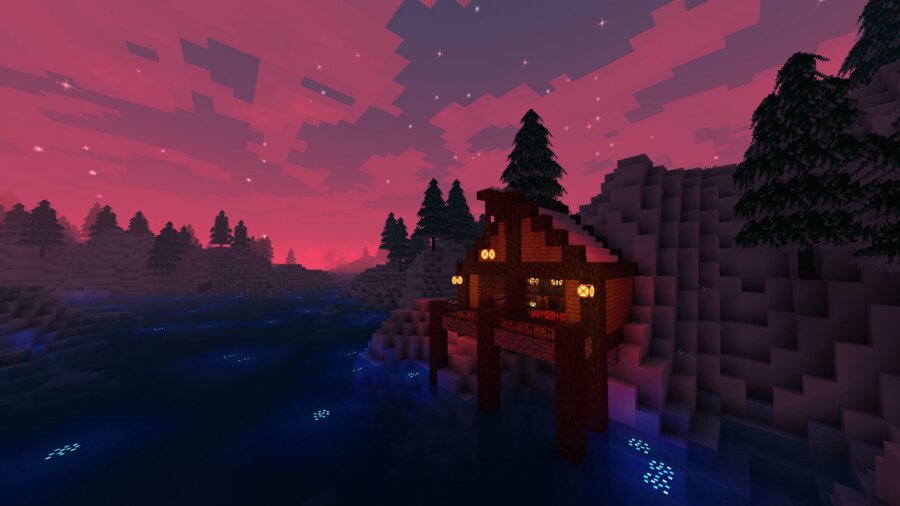
A small indie game project that had been generating buzz online found itself caught in a surprising legal scare this week, highlighting how copyright enforcement systems can sometimes sweep up creators even when the line between inspiration and infringement is blurry.
What Happened?
Allumeria, a voxel‑based sandbox game developed by an indie creator known online as Unomelon, was set to join Steam Next Fest a showcase for upcoming titles after more than a year in development. The game’s aesthetic and mechanics clearly draw inspiration from Minecraft, one of the most popular video games of all time. But similarities in look and feel aren’t unusual for “voxel” games, which use blocky, cubic art styles and survival‑crafting gameplay.
In early February 2026, Allumeria was abruptly removed from Steam after Valve received a DMCA takedown notice filed on behalf of Microsoft, the publisher of Minecraft. According to Unomelon, the claim alleged that Allumeria infringed on Minecraft’s copyright citing a screenshot from the game alongside one from Minecraft.
On social media, the developer described the situation frankly: “I genuinely do not know what to do,” reflecting both confusion and frustration at the unexpected legal roadblock.
How the Takedown Was Issued
The DMCA claim wasn’t based on actual reuse of Minecraft assets, code, or sounds all of which Allumeria’s creator says were handmade but rather on perceived similarity in visuals and presentation. Some reports have speculated that the automated copyright‑monitoring service may have helped flag the game, suggesting this could be a case of an algorithm incorrectly identifying Allumeria as infringing.
Under Valve’s policies, a DMCA notice automatically pulls a game’s Steam page down, even if the claim is contestable, a situation that many indie devs warn can unfairly punish small teams before any human review or legal examination takes place.
Community Backlash and Support
The takedown sparked strong reactions from players and fellow developers online, with many arguing that blocky graphics and sandbox gameplay aren’t exclusive to Minecraft and that copyright should protect specific assets and code, not general ideas or styles. Critics of the action highlighted how such aggressive enforcement risks chilling creativity among smaller creators.
A Quick Resolution — But a Larger Debate
In a positive late development, Microsoft withdrew the DMCA claim entirely, and Allumeria’s store page was reinstated without the developer needing to file a formal counter‑notice a comparatively rare and best‑case outcome.
Developer Unomelon confirmed the news on Bluesky shortly after:
Microsoft has withdrawn their DMCA claim! The game is back up on Steam! Allumeria is back! Thank you EVERYONE for your support. It’s hard to comprehend that a single post in my Discord would lead to so many people expressing support. Thank you <3
Still, the incident has reignited discussions about how copyright enforcement works in gaming. Many observers pointed out how the system treats alleged infringement as “guilty until proven innocent,” allowing a takedown to disrupt a game’s launch window and visibility long before any real dispute is examined.
What This Means for Indie Games
The Allumeria case highlights the tension between protecting intellectual property and nurturing creative ecosystems where new works can iterate on beloved genres and styles. While companies have legitimate rights to defend their works, there’s growing concern that automated enforcement and broad interpretations of “infringement” could inadvertently penalize artists making original games that simply share a genre or visual language.
For indie developers and players alike, this episode is a reminder of both the power and pitfalls of copyright law in the digital age and how community response can sometimes make all the difference.