
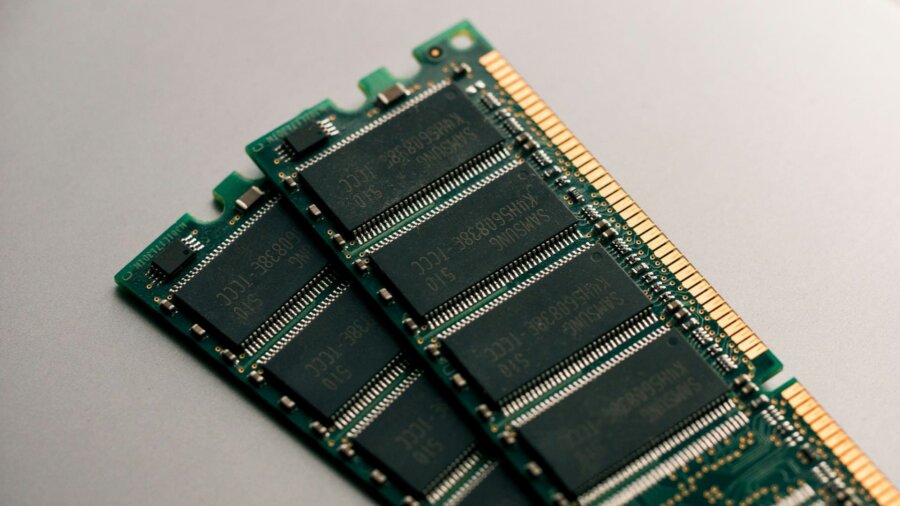
The global tech industry is entering 2026 under mounting pressure from a worsening RAM shortage, a supply imbalance that is no longer cyclical but structural.
In a recent interview with Taiwanese broadcaster Next TV, Pua Khein-Seng, CEO of Phison Electronics, issued one of the starkest warnings yet: memory constraints could force electronics manufacturers to scale back product lines or exit certain categories entirely by the second half of 2026.
Phison isn’t a consumer brand, but it sits deep inside the global storage ecosystem. The company designs NAND flash controllers used in SSDs, embedded storage, and enterprise systems. When its CEO warns about supply collapse, the industry listens. Increasingly, the numbers suggest he may be right.
RAM Shortage Caused by AI Driving Memory Market Shifts
The root of the RAM shortage is straightforward — AI infrastructure is consuming an unprecedented share of global DRAM and high-bandwidth memory (HBM) production.
Hyperscale data centers training large AI models now require exponentially more memory per server rack than traditional cloud workloads. Major memory producers such as Samsung Electronics, SK Hynix, and Micron Technology are prioritizing high-margin HBM and enterprise-grade DRAM over consumer modules.
This shift is reshaping supply allocation across the industry. Unlike previous memory cycles driven by PC or smartphone demand, this one is fueled by AI infrastructure spending, and that spending shows no signs of slowing. Capital expenditures from cloud giants continue to rise quarter after quarter, making memory one of the industry’s main bottlenecks.
Consumers are already feeling the impact, contract DRAM prices have climbed sharply since late 2025, with further increases expected throughout 2026.
Which Devices Are Most at Risk
The effects of the RAM shortage will not be evenly distributed. Based on current supply prioritization trends, the following categories face the highest pressure:
Smartphones
Mid-range and budget devices are especially vulnerable. Vendors may reduce RAM configurations (e.g., 8GB instead of 12GB) to maintain pricing targets. Emerging markets could see delayed launches or limited inventory.
Laptops and PCs
Laptops and consumer PCs are likely to see price increases or spec reductions. OEMs could limit SKUs to simplify procurement and secure long-term supply contracts.
Gaming Hardware
Next-generation consoles and VR devices rely heavily on memory bandwidth. Higher DRAM costs could either compress margins or delay hardware refresh cycles. In fact, according to reputable outlets, Valve has postponed the release of its Steam Machine desktop and Steam Frame headset, citing the ongoing RAM shortage as a key factor. This shows how even major gaming companies are feeling the pressure of constrained memory supply.
Automotive Systems
Modern vehicles integrate significant DRAM for infotainment, ADAS, and onboard computing. Automotive-grade memory already operates under long qualification cycles, making sudden supply constraints particularly disruptive.
Enterprise Servers (Non-AI)
Traditional enterprise deployments may find themselves deprioritized compared to AI-focused infrastructure buyers who are willing to sign multi-year contracts. Reports on Reddit indicate that major VPS provider in the U.S. are already experiencing memory shortages, with some users noting that prices are set to increase soon. This highlights that the RAM shortage is affecting not just consumer devices but also cloud and hosting services.
In short: AI wins allocation priority. Everyone else adjusts.
A Structural Shift, Not a Temporary Spike
Historically, memory shortages have been cyclical. Oversupply would follow, prices would crash, and the market would reset. This time, the RAM shortage appears different. New fabrication facilities take years and tens of billions of dollars to bring online, and even when operational, advanced nodes optimized for HBM production don’t automatically increase consumer DRAM supply.
Industry analysts now expect tight conditions to persist through at least 2027, with normalization unlikely before 2028, assuming AI demand stabilizes. Phison’s CEO went further, suggesting that smaller electronics manufacturers, especially those operating on thin margins, may not survive prolonged supply constraints. If suppliers demand multi-year prepaid agreements, only large players with strong balance sheets can compete.
As 2026 unfolds, the RAM shortage is set to reshape the priorities, pricing, and innovation across the entire tech ecosystem, from consumer gadgets to AI infrastructure.